
As the 2026 political calendar kicks off, President Donald Trump is facing a brutal reality check. New polling data suggests the "honeymoon phase" of his second term hasn’t just ended—it has hit a brick wall.
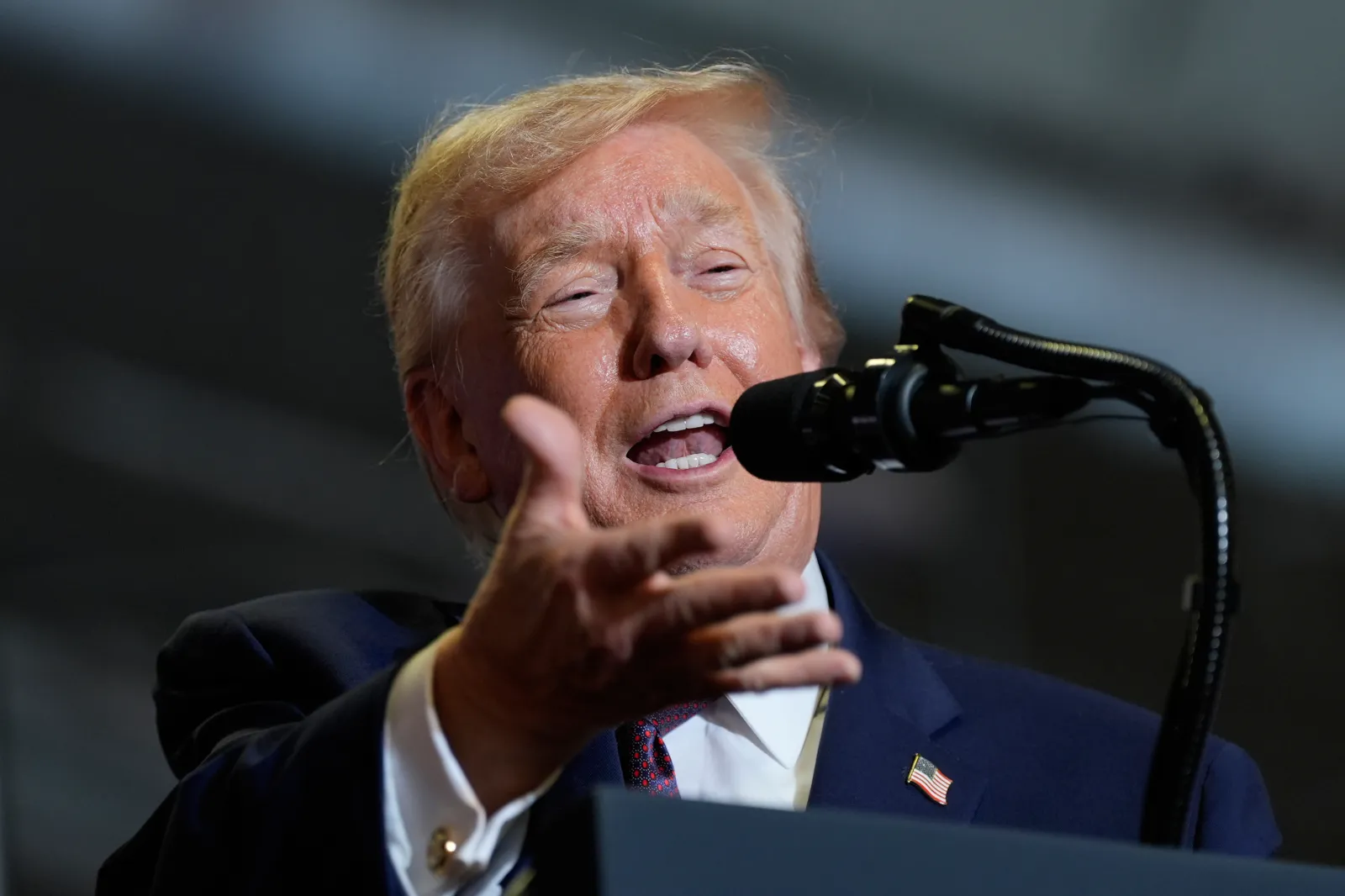
The Numbers: A Record Low for the White House
The latest data from major pollsters like Gallup and Marist paint a grim picture for the administration. Trump’s current approval rating has dipped to a staggering 36%. For a sitting president heading into a crucial midterm election year, these numbers are more than just a "slump"—they are a red alert.
For the first time since 2024, over 60% of registered voters claim the country is "on the wrong track." This sentiment is cross-cutting, affecting independent voters who were instrumental in his previous victory.
Why the MAGA Momentum is Stalling
Political analysts point to three primary "pain points" that are dragging down the President’s numbers:
The "Tariff Tax" Anxiety: While the administration promised a manufacturing boom, many Americans are only seeing the immediate side effect: higher prices at the checkout counter.
Foreign Policy Polarization: Trump’s unconventional approach to the Russia-Ukraine conflict remains a lightning rod for criticism. Only 35% of voters approve of his current diplomatic strategy.
The Healthcare Deadlock: With no clear replacement for aging health policies, approval for his domestic agenda has cratered to 30%.
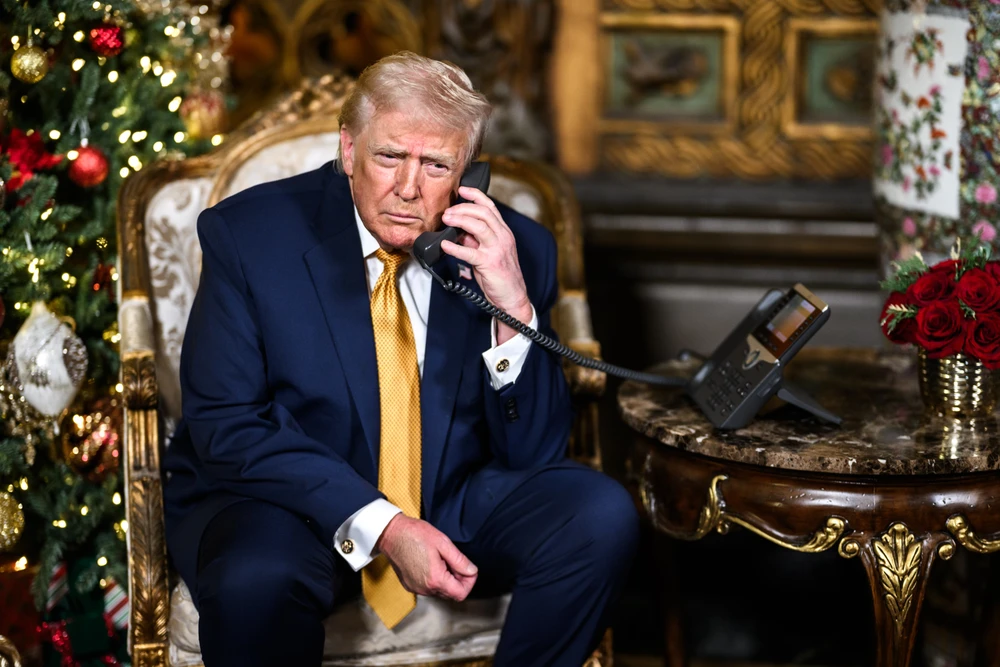
2026 Midterms: A "Blue Wave" on the Horizon?
The most alarming takeaway for the Republican party is the "Generic Congressional Ballot." Currently, Democrats hold a double-digit lead (approx. 10-12 points) in swing districts.
"You are beginning to see cracks in the foundation," says presidential historian Barbara Perry. If these numbers hold until November, the GOP risks losing control of both the House and the Senate, effectively turning Trump into a "lame duck" for the remainder of his term.
Is a Comeback Possible?
Donald Trump has built a career on defying the polls. His supporters argue that mainstream media polls are "skewed" and don't reflect the "silent majority." However, with the economy showing signs of friction and donor fatigue setting in, the path to a 2026 recovery looks steeper than ever.