
If you’ve been watching home prices—sofas, kitchen cabinetry, bathroom vanities—there’s a policy move that could affect what you pay (or at least the pressure on prices).
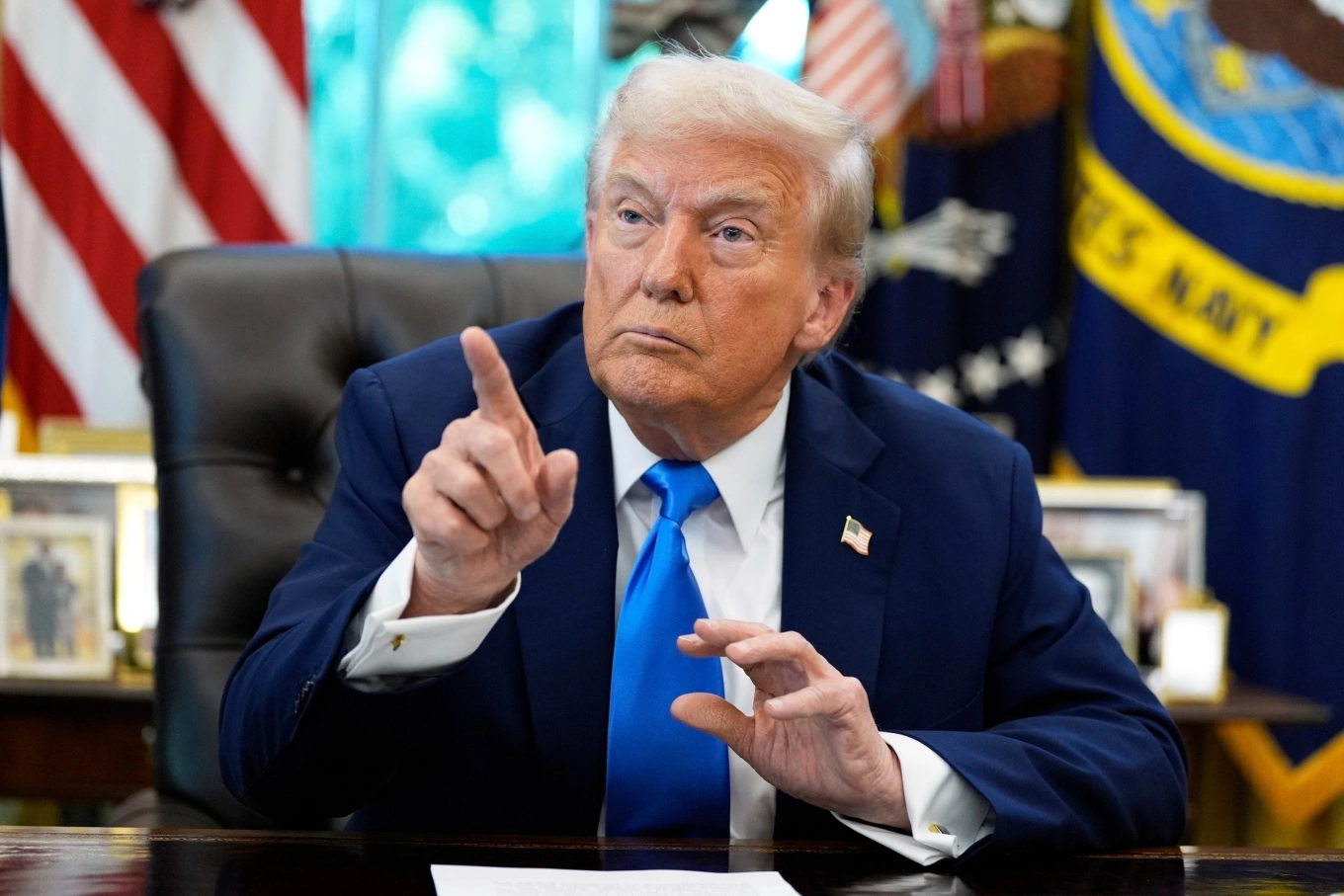
On December 31, President Donald Trump signed a proclamation postponing scheduled tariff increases on upholstered furniture, kitchen cabinets, and vanities for one additional year.
What actually changed
Here’s the clean version:
-
The existing 25% tariff stays in place for now.
-
The planned hike that was set to start January 1, 2026 is delayed by one year.
-
Those delayed hikes were:
-
Upholstered furniture: 25% → 30%
-
Kitchen cabinets & vanities: 25% → 50%
-
AP and WSJ both reported the same core shift: the increases were pushed back, but the 25% rate remains.
Why this is happening (official reasoning)

The White House framed this as part of ongoing negotiations tied to wood products, noting it’s delaying the higher rates while talks continue.
The legal basis here is Section 232 of the Trade Expansion Act of 1962, which gives the president authority to restrict imports if they’re judged to threaten or impair U.S. national security (typically after a Commerce Department process).
Who feels it first: retailers, importers, then consumers
Even though the tariff doesn’t jump this week, the existing 25% is still a meaningful cost—especially for categories that rely heavily on imports.
Market coverage pointed out that many U.S. retailers source upholstered furniture from overseas (including China and Vietnam), and investors treated the delay as near-term relief.
What to watch next
-
Whether the administration reaches trade agreements that change the tariff path before the new deadline.
-
Whether companies lock in inventory now, adjust sourcing, or pass costs through in 2026. (This part depends on business decisions, not guaranteed.)
-
Whether other product categories see similar last-minute delays or revisions—because the broader pattern has been frequent changes.